




Quick answer: Yes – a magic eraser is the fastest way to clean scuffed sneaker midsoles, rubber toe caps and canvas uppers, using nothing but water. It works because midsoles and outsoles are harder than the foam, so the foam wears down instead of the shoe. Keep it away from suede, nubuck and flyknit uppers: those need a brush, not an abrasive.
Why Melamine Foam Works on Sneakers
A magic eraser is an open-cell melamine resin foam block, manufactured from the same open-cell melamine foam material as the bulk pads we produce. The cell walls are finer than any household cloth, so they shear the black rubber transfer and street grime off a midsole instead of smearing it. EVA foam midsoles and rubber toe caps are exactly the kind of hard, non-porous surface where micro-abrasion beats any spray cleaner.
This is also why shoe-cleaning erasers became a fixed SKU in sneaker retail: the result is visible in seconds, which makes it one of the easiest add-on products to demonstrate at the counter.
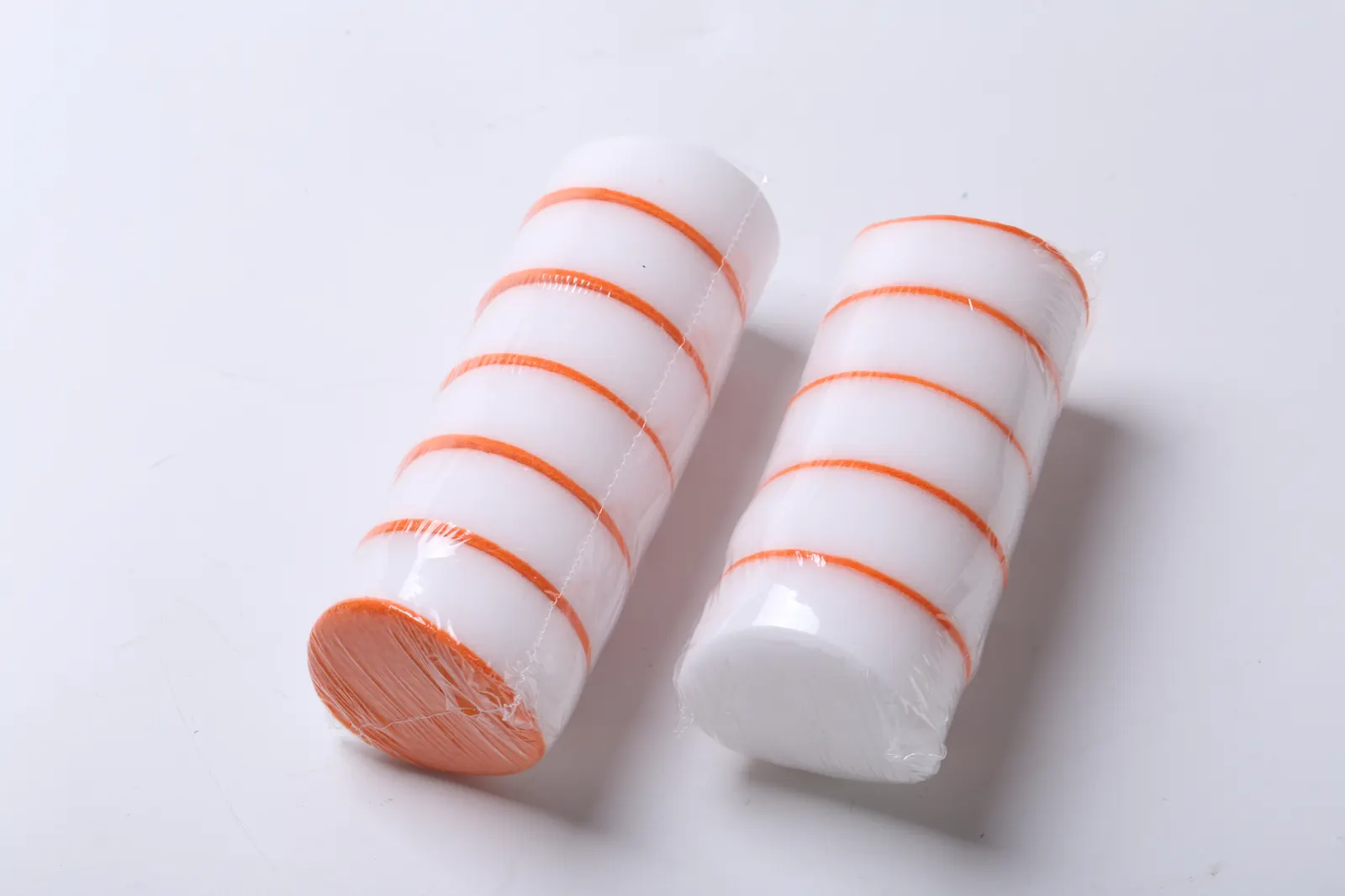
Where It Works Best
- Rubber and EVA midsoles: black scuff stripes and yellowed grime lift in a few passes.
- Toe caps and heel counters: rubber parts take micro-abrasion without visible wear.
- Canvas uppers: Converse-style canvas cleans well – damp sponge, light strokes, no soaking.
- Flip-flops, slides and boot outsoles: the fastest wins; these parts are pure rubber.
Where You Should Not Use It
- Suede and nubuck: the nap is the finish; the foam flattens it permanently.
- Flyknit and mesh uppers: fine synthetic yarns fuzz up under abrasion.
- Finished leather: test behind the heel first; the foam can dull the topcoat.
- Printed graphics: heat-transferred logos on midsoles will fade – work around them.
The 10-second test: wipe a spot under the arch where scuffs would show least. If the surface turns matte or the color lifts, switch to a brush and cleaner.
Step-by-Step: Sneaker Restore in Ten Minutes
- Remove the laces and insoles; brush off loose dirt dry.
- Wet the melamine sponge and squeeze until it stops dripping.
- Work the midsole in one-direction strokes, light pressure, turning to a clean face as it loads up.
- Detail the toe cap and heel counter with a cut corner of the sponge.
- Wipe everything with a damp microfiber cloth, then air-dry away from direct heat.
- Re-lace once fully dry; a 16 kg/m3 block survives many pairs before it wears down.
For Distributors: the Same Material, Factory-Direct
Shoe-cleaning erasers are a proven counter add-on for sneaker and shoe-care retail. FoamTech manufactures melamine foam from the raw block stage and converts it into high-density melamine eraser pads and magic sponge cleaner blocks, including striped and dual-layer shoe-cleaning formats. For retail programs we supply private label cleaning sponges with printed sleeves, and for hotel and janitorial programs we supply wholesale sponges for hotels and contractors.
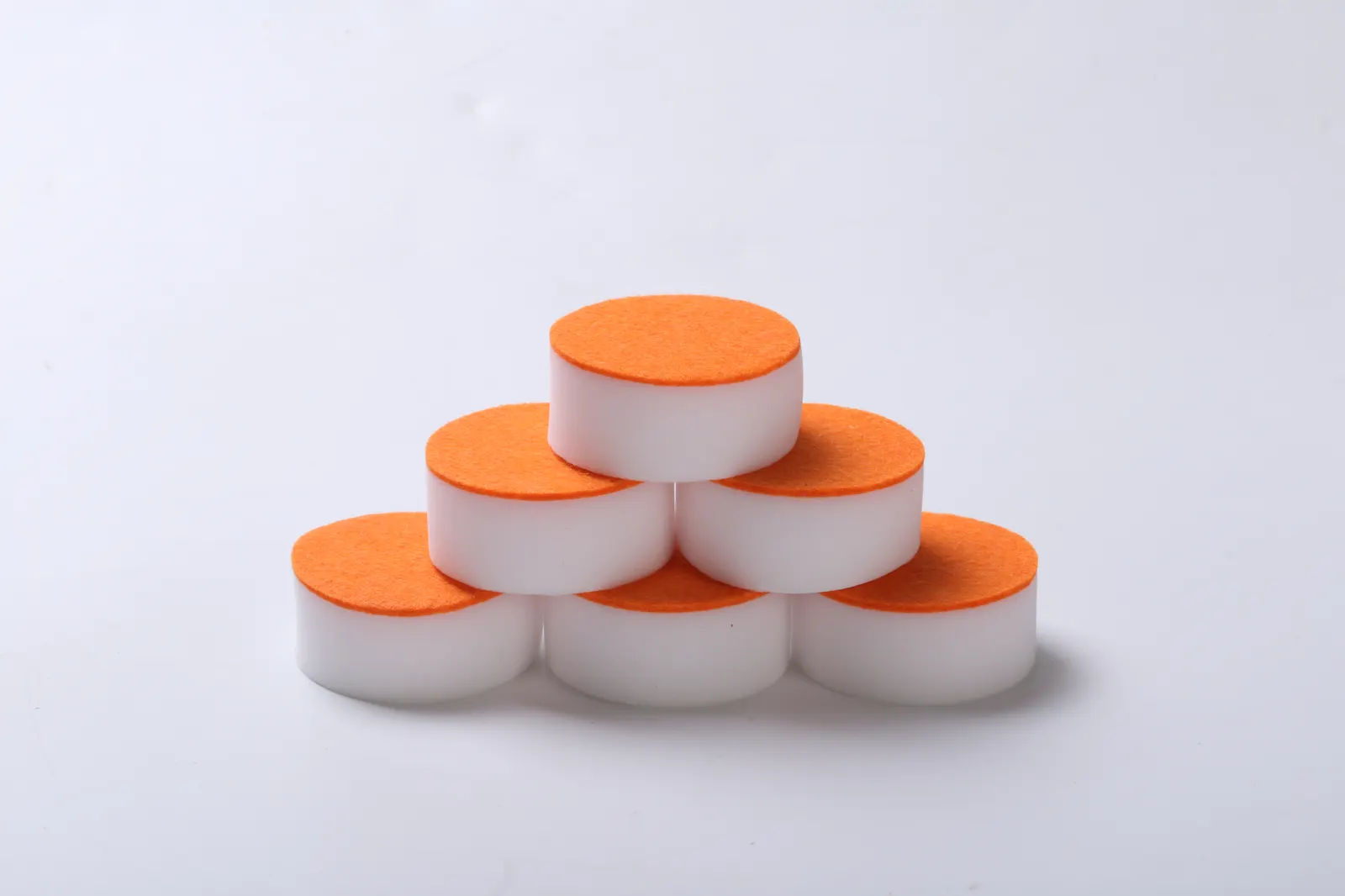
Sample kits ship in 3 days with two densities side by side, and production lead time is 10 days from confirmed artwork and order, FOB Ningbo or Shanghai.
Sourcing Shoe-Cleaning Erasers for Your Market?
FoamTech provides free sample kits, custom die-cut shapes, and private label packaging at factory-direct pricing.
Editorial use of trademarks: Magic Eraser is a registered trademark of Procter & Gamble. FoamTech is an independent OEM/ODM manufacturer of melamine foam cleaning sponges and is not affiliated with, endorsed by, or sponsored by Procter & Gamble. References to third-party trademarks on this page are made for comparative and descriptive purposes only.
FAQ: Shoe Cleaning with Sponges
Q1: Can a melamine sponge be used on shoes?
A: Yes, on the midsole and outsole of rubber-soled shoes and on smooth leather uppers, working wet with light pressure. It removes scuffs, marks and the grey edge left by abrasion.
Q2: Which parts should be avoided?
A: Suede, nubuck, mesh panels, printed logos and any adhesive-bonded trim, where the abrasion reaches past the surface.
Q3: How should shoes be treated afterwards?
A: Wipe away the residue with a clean damp cloth and let them dry at room temperature rather than near direct heat.