




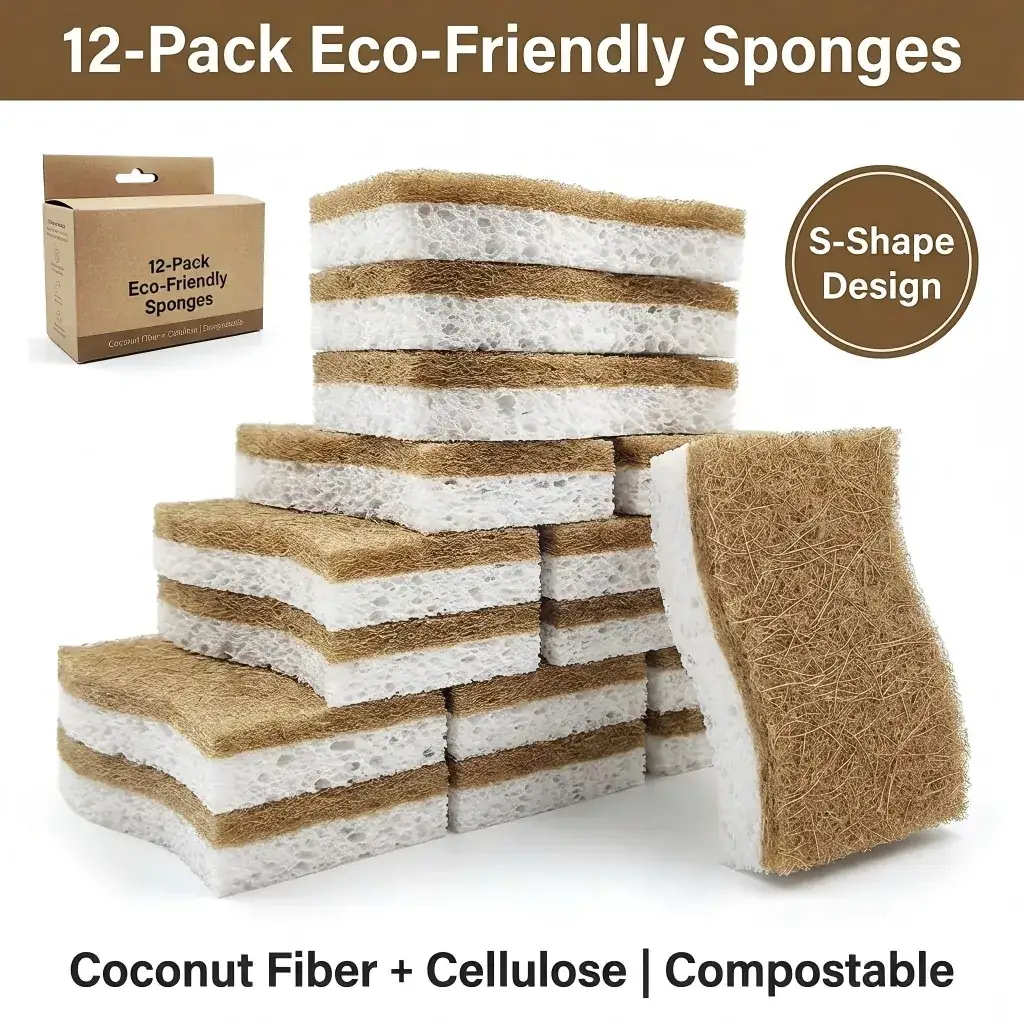
Kitchen Sponge: Plant-Based Coconut Fiber + Cellulose
Kitchen Sponge: Plant-Based Coconut Fiber + Cellulose from FoamTech. Made from natural wood pulp cellulose, factory-direct with custom printing, die-cut shapes, and eco packaging for own-brand programs.
Detalles de producto
The Kitchen Sponge: Plant-Based Coconut Fiber + Cellulose is made from natural wood pulp cellulose and holds many times its dry weight in water, produced on our own line for eco-focused retail and own-brand programs.
- Material: Celulosa + cáscara de nuez
- Características: Compostable, ecológica, no raya y biodegradable
- Tamaños: Opciones estándar + especificaciones personalizadas
- Certificaciones: Certificaciones de compostabilidad (p. ej., OK Compost, ASTM D6400)
- Embalaje: Opciones ecológicas disponibles (personalizables para la venta minorista)
- MOQ: Negociable para pedidos al por mayor
Plant-Based Cellulose Sponge vs Plastic Sponge Cloth
| Specification | This FoamTech Sponge | Generic Alternative |
|---|---|---|
| Material origin | Natural wood pulp cellulose, plant-based | Synthetic polyester/PU foam |
| Absorbency | Holds many times its dry weight in water | Lower saturation, drips quickly |
| End of life | Cellulose breaks down naturally after disposal | Persists as plastic waste |
| Scrubbing | Gentle wipe with optional scouring layer | Varies; often needs a separate pad |
| Best use | Dishes, countertops, wipe-and-dry routines | General light cleaning |
| Biodegradation | Breaks down in 4-6 weeks after disposal; zero microplastic fiber shedding | Persists as microplastic waste |
Comparison provided for sourcing reference only. Magic eraser is a registered trademark of its respective owner. FoamTech is an independent OEM/ODM manufacturer and is not affiliated with, sponsored, or endorsed by any trademark holder.
Related Sourcing Guides
- Microplastic Regulations: Why Brands Are Shifting to Biodegradable Dishcloths – regulation drivers behind the shift to plant-fiber cleaning products
- OEKO-TEX Standard 100 for Cleaning Sponge Importers: What Class II and Class IV Actually Mean – what the OEKO-TEX classes mean for your market compliance
Escenarios de aplicación
1. Coconut Fibre Blended Into the Cellulose Body
The coconut fibre is mixed into the wood pulp before the block is formed, so it becomes part of the cell structure rather than a coating. The result is a more open pore network: the sponge takes water in quickly, releases it on the wipe, and keeps its shape through the squeeze instead of collapsing into a flat pad.
2. One Sponge for the Sink, the Counter and the Fridge
Daily kitchen work is mostly wiping rather than scrubbing, and an open-cell plant sponge covers it in one pass – plates and glasses without streaks, crumbs and spills off countertops, condensation out of the fridge tray. It squeezes nearly dry between uses, so it is ready for the next surface rather than sitting wet.
3. Supermarket Eco Lines and Own-Brand Programs
Buyers building a plant-fibre cleaning set need a plain, well-made kitchen sponge at the centre of it. The coconut fibre version carries a material story that prints on the sleeve without any extra claim, which is what own-brand eco ranges and zero-waste shops look for on the shelf.
4. Die-Cutting, Water-Based Printing and Multi-Packs
We form the block, die-cut the shape and print the sleeve in-house. Thickness, size, edge profile, printed artwork, and pack counts from single units to printed 3-packs and 5-packs are all produced to order and shipped factory-direct.
Preguntas más frecuentes
Q1: How is the coconut fibre version different from a plain cellulose sponge?
R: The coconut fibre is blended into the wood pulp before forming, so it reinforces the cell walls throughout the block. In use that shows up as a sponge that keeps its thickness through repeated squeezing, wipes without shedding fibres, and holds water long enough to clear a full sink of plates before it needs another soak.
Q2: Will it scratch non-stick pans or glassware?
R: No. This is a wiping and absorbing sponge, not a scouring pad – both faces are soft plant fibre, so it is safe on non-stick coatings, glass, and polished stainless. For baked-on residue we recommend leaving the pan to soak and then wiping, or pairing the sponge with a separate abrasive pad.
Q3: How should it be kept clean, and how long does one sponge last?
R: Rinse it after use, squeeze it out, and let it dry where air can move around it – an open-cell plant sponge dries faster than a dense foam block. Lifespan depends on daily use and how often it is wrung out; tell us your channel and we will recommend the thickness and pack size that matches the replacement cycle your customers expect.
Q4: Which certifications and compliance documents can you provide?
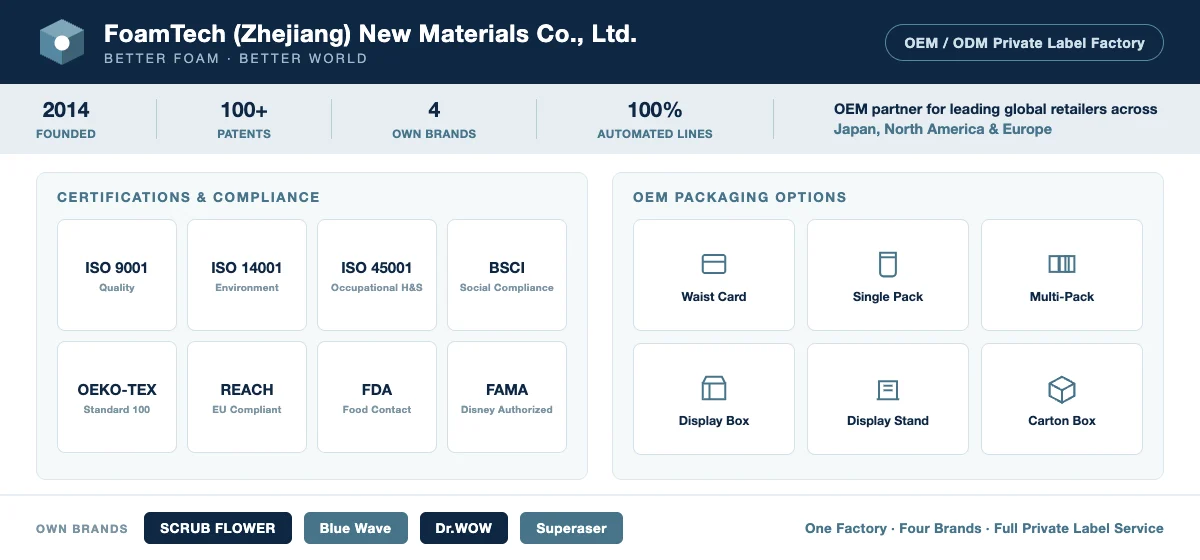
R: FoamTech runs ISO 9001, ISO 14001, and ISO 45001 certified management systems. OEKO-TEX Standard 100 test reports, EU REACH compliance documentation, and safety data sheets are issued on request, social compliance is audited under BSCI, and we hold FAMA authorization for licensed merchandise programs.
Q5: What can be customized?
R: Block size and thickness, edge profile, die-cut shape, printed sleeve artwork, pack count, and carton markings. We print from your artwork files or work from a brief, and a pre-production sample is supplied for approval before the run.
Q6: What is the MOQ for bulk and custom orders?
R: Plain unbranded sponges start at 1,000-3,000 pieces depending on size. Printed private-label runs typically start at 10,000 pieces because of the plate setup. Mixed sizes can be consolidated into one shipment to keep the first order manageable.
Producto relacionado
-
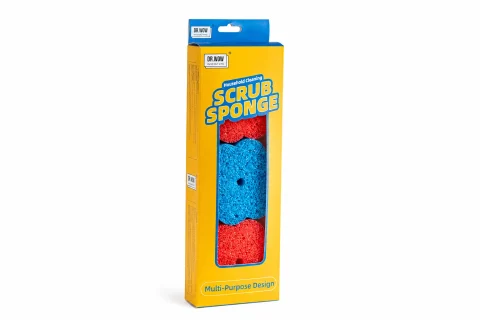
Tricolor Gift Box Set Melamine Sponge
-
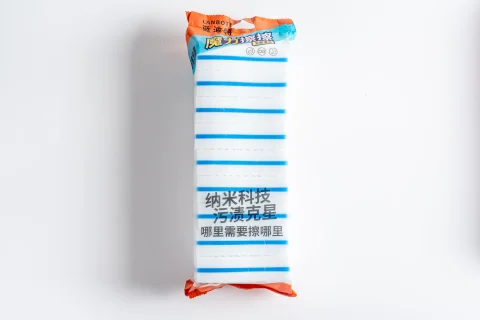
Assorted 10-Piece Multipack Melamine Sponge
-
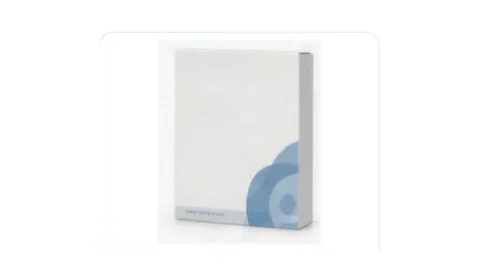
Korean Market Poly Bag Melamine Sponge Packaging
-
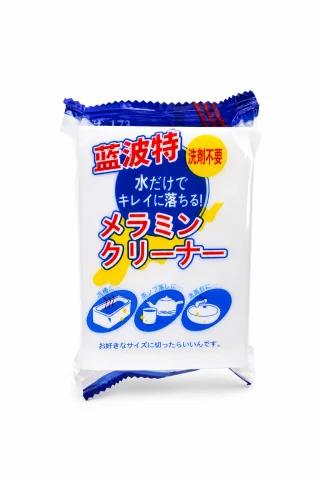
Japanese Hook Bag Melamine Sponge Retail Packaging
-
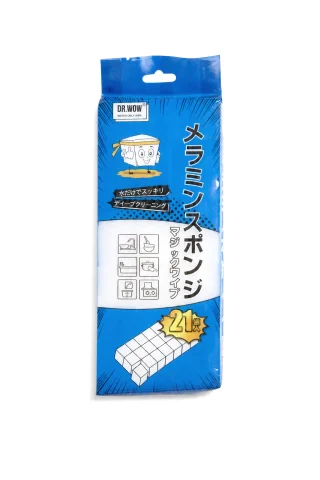
Japanese 21-Piece Melamine Sponge Poly Bag
-
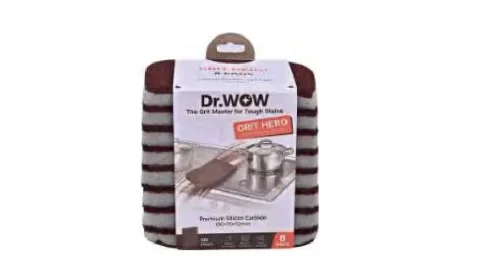
8-Piece Scourer Sponge Retail Pack from the GRIT HERO Line
-
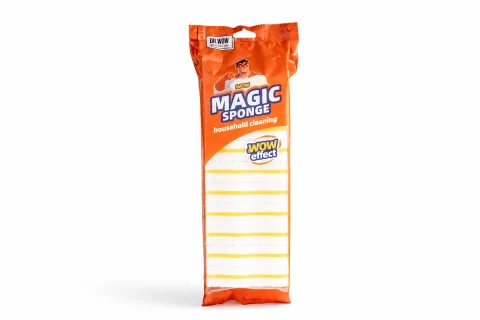
Multipack Sleeve Melamine Sponge Retail Packaging
-
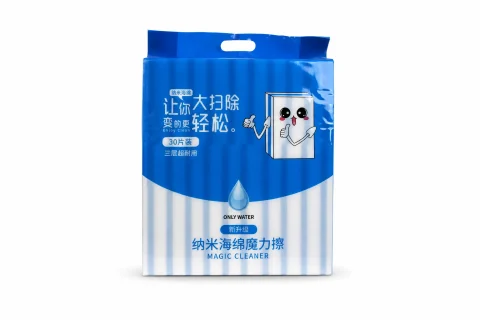
Chinese Big Bag 30-Piece Melamine Sponge Bulk Pack
Contactar con FoamTech
Responder dentro de 12 horas
Aceptamos cualquier solicitud o pregunta sobre nuestros productos u otros temas.
- +86 18530085611
- +86 18530085611
- [email protected]
- 500 metros al este de la intersección de Shenzhou Road y Yanhe Road, Xinzheng, Zhengzhou, provincia de Henan, China.
- Parque Industrial Fengte, Carretera del Parque Logístico, Avenida Yangguang, Ciudad de Yiwu, Provincia de Zhejiang, China.