Hot-Pressed Sponge vs Regular Melamine Sponge Which One Lasts Longer
2026-07-09
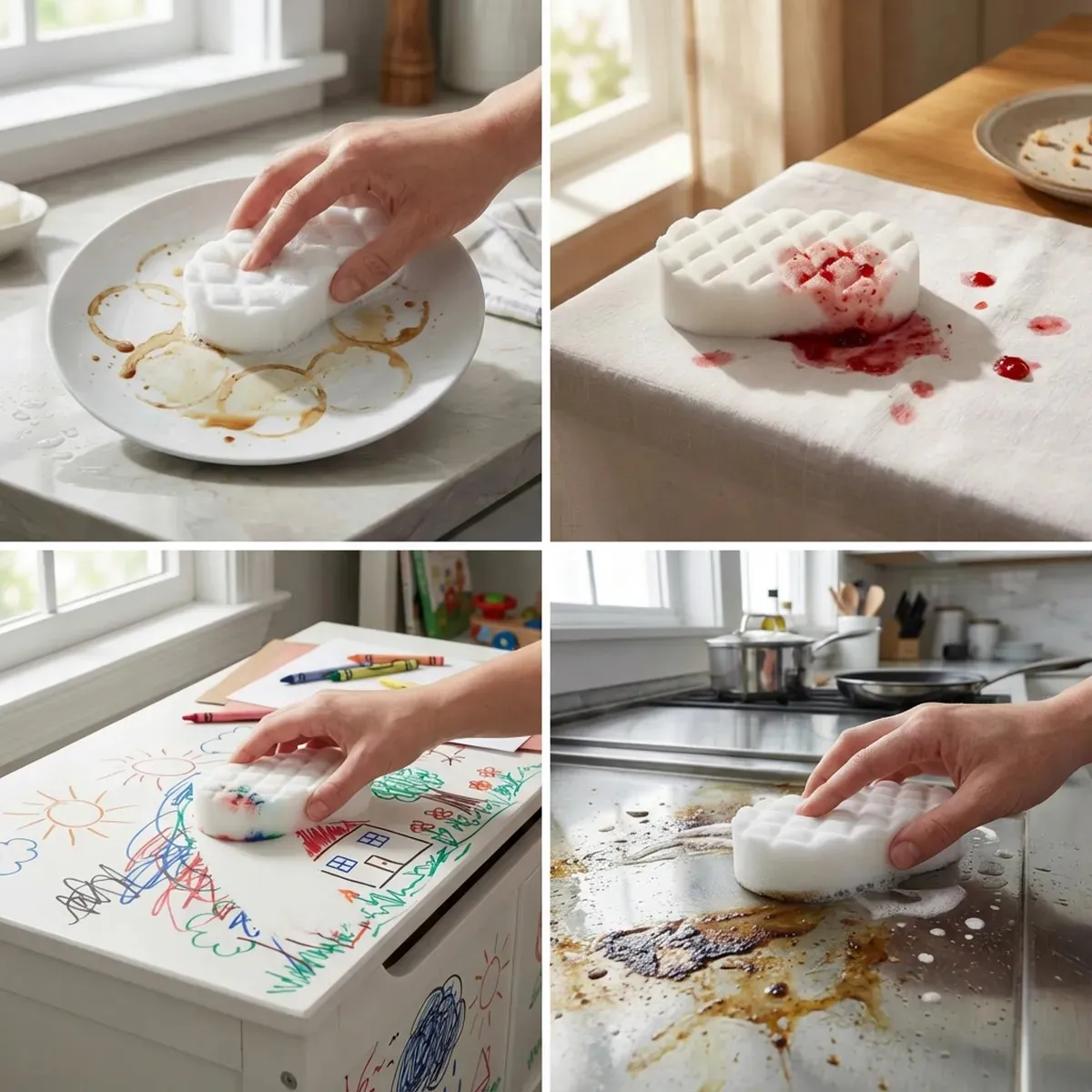
A simple cleaning sponge for daily use of importers, online shop owners, private label buyers. The lifespan of a sponge for daily cleaning of kitchens, bathrooms has a great influence on repeat orders, on refund requests, on the shelf and online shop reviews and on the carton value. Melamine sponges are known to clean with just water. The already good melamine sponges are hot-pressed to increase the density, the surface is altered and the feel when holding in hand is changed. That is where the comparison really starts. The question if a sponge first can clean is not that important. More important is the question if the sponge, after being used often, still is able to clean. After being used often the melamine sponge is squeezed often, it is used for scrubbing and after that it is rinsed and put away in a wet place.
What Is the Real Difference Between Hot-Pressed Sponge and Regular Melamine Sponge?
Melamine sponges that are used for regular marks are usually light weight, porous, relatively easy to cut and have a fine open-cell structure. This fine open-cell structure is suitable for light dirt and fine marks and acts like a micro abrasive when it gets wet. For light use this is all that is required. However, for longer use, better shape holding and even texture to send to retailers, hot pressing is required.
Hot pressing changes the sponge significantly. It is more or less thicker, denser, flatter, firmer and less crumbly during normal cleaning. These minuscule differences for B2B buyers can make a huge difference when it comes to handling complaints.
Density Is the First Thing to Check
A standard melamine cleaning sponge in the product catalog is often listed around 8kg/m³±1. Compressed sponge products commonly reach around 12kg/m³±1, and some high-density formats can go higher. The Hot-pressed sponge uses high-density open-cell melamine in the 9.5 to 16kg/m³ range.
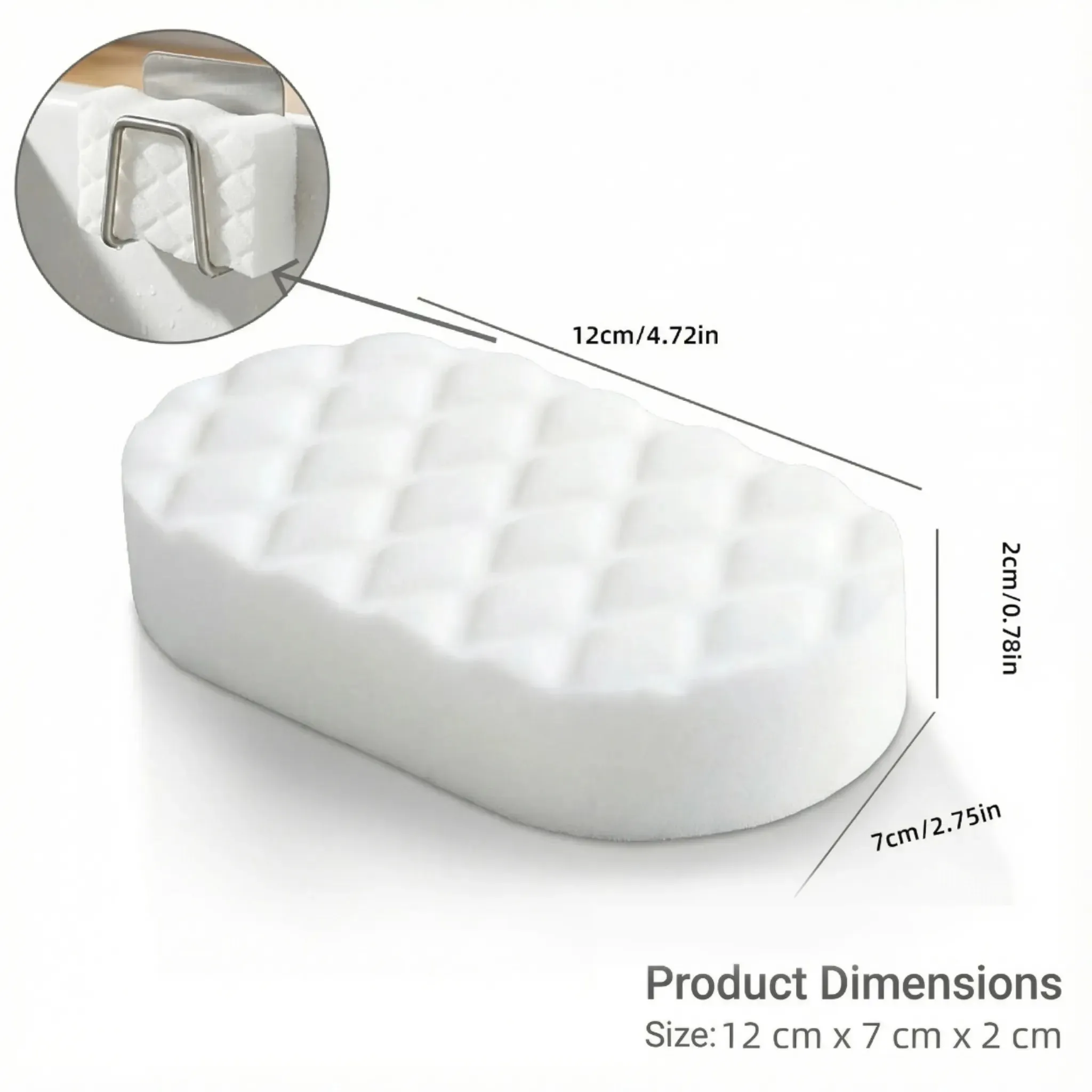
That number matters. Higher density usually means:
l stronger body during scrubbing
l slower crumbling under pressure
l better shape after repeated rinsing
l better value for multipack retail sales
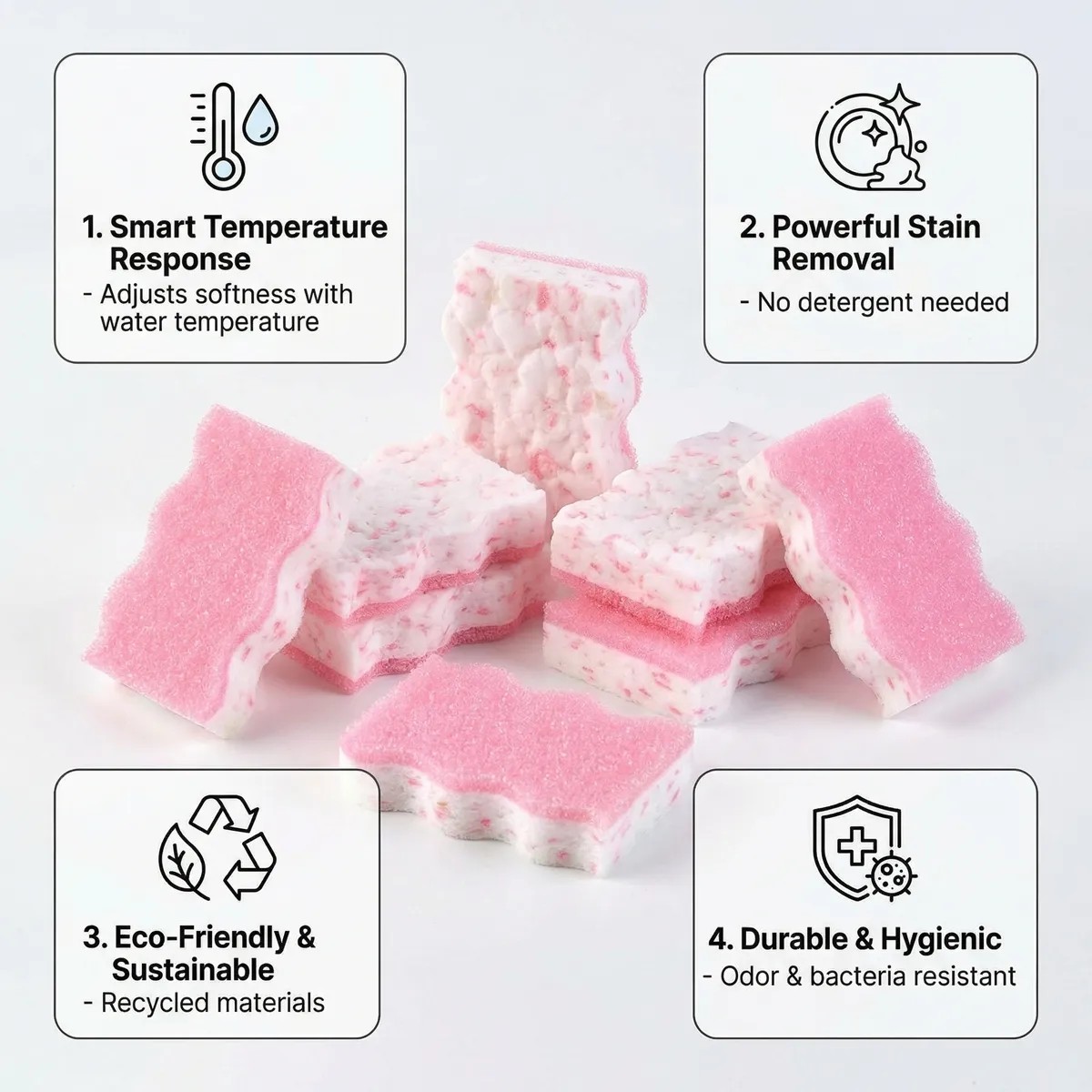
Regular sponge still has its place. It is soft, economical, and good for quick-use packs. But for longer use, hot pressed material gives the buyer a safer bet.
Grid Texture Adds Wear Resistance
The grid texture is not just for looks. It gives the surface more contact points and helps the sponge resist quick wear. A plain regular sponge can clean well at first, then lose corners fast when used on rough tile edges, sink rims, office desks, or shoe soles.
For a retailer, that means the first-use result may be fine, but the second and third use decide customer feedback. This is the part many buying teams miss during sample testing. One quick test on a clean table tells almost nothing.
Which Sponge Performs Better in Water Absorption?
Water absorption is something people don’t think about until it becomes a problem and someone complains that their new cleaning sponge feels dry, is too weak or is a complete mess. A good cleaning sponge must hold enough water to activate the melamine foam and at the same time be easy to rinse and feel like a dry brick afterwards.
Hot pressed gives 750% to 2000% water absorption. This allows for a very wide work load in daily cleaning and heavy wiping applications.
Water Helps Melamine Foam Work Properly
Melamine foam is a cleaning tool that is typically used with water. To use it, simply soak the melamine foam sponge in water, wring it out and then rub it over the surface to be cleaned. Use and then rinse and re-use the sponge as required. This information could also be included on the packaging of the melamine foam sponges to help potential buyers in various countries to use the sponges without exposing themselves to chemicals and with clear instructions as to how they should be used.
For household use, water-only cleaning is easy to explain. For commercial users, it can reduce chemical overuse in small jobs like removing shoe marks, tea stains, marker marks, or light grease.
A small note from the cleaning aisle: users often press too hard when the sponge is nearly dry. That damages the sponge faster. Clear use instructions can extend product life without changing the product itself.
Which One Lasts Longer Under Real Use?
In most heavy-use cases, hot pressed sponge lasts longer than regular melamine sponge. The reason is not magic. It is simply denser, more compact, and less likely to break apart quickly when scrubbed on repeated stains.
Regular melamine sponge may still be better when price is the main concern, such as disposable packs, small promotional bundles, or light-duty cleaning kits. But when durability is part of the product promise, hot pressed sponge is easier to position.
Regular Sponge Wins on Cost and Flexibility
Regular sponge is light, easy to cut, and cost-friendly. It works well for:
l promotional cleaning packs
l low-price household bundles
l quick mark removal
l light office cleaning
l small custom shapes
If the buyer sells high-volume budget packs, regular sponge is not a bad choice. It just should not be sold as a long-life heavy-duty sponge.
Hot Pressed Sponge Wins on Repeat Cleaning
Hot pressed sponge fits better when the end user expects more from one piece. Kitchen counters, stainless steel sinks, tiles, glass, plastic, stone, ceramic, wood, shoes, desks, and hospitality cleaning kits all need a sponge that does not lose structure too quickly.
The high density sponge category also mentions scratch-free cleaning and strong decontamination. That is a useful sales angle, but surface guidance still matters. For delicate coatings, polished surfaces, or unknown finishes, test a hidden area first. It is a boring line on the pack, but it saves real after-sales trouble.
What Should B2B Buyers Compare Before Placing an Order?
A longer-lasting sponge is not only a material issue. It also depends on packaging, size, density, target market, and how honestly the product is described.
FoamTech has manufacturing experience in melamine foam and cleaning sponge products, with private label and OEM production support. For you as a buyer, the better approach is to compare samples based on actual use rather than only checking unit price.
Use This Simple Sample Test
Before confirming bulk order details, test samples in a practical way:
l soak and squeeze each sponge 20 times
l scrub the same stained tile or stainless steel test panel
l check corner loss after 3 minutes
l rinse and dry overnight
l compare shape, texture, and residue the next day
This is not a lab test, but it quickly shows the difference between a soft regular sponge and a denser hot pressed sponge. It also gives your sales team more honest wording for product pages.
Match Packaging to Sales Channel
For supermarkets and retail stores, clear PVC bag packing or custom retail packaging can work well. For online multipacks, packaging must protect corners during shipping. For private label projects, product instructions, barcode, QR code, safety notes, and product specification sheets should be prepared early.
The custom service page supports private label work, custom labels, barcodes, QR codes, product specification sheets, SDS, line cards, and marketing materials. This helps buyers avoid the common “sample is ready, packaging is not ready” delay. It happens a lot, honestly.
How Can You Choose the Right Sponge for Your Market?
The better sponge depends on the buyer’s sales channel. A low-price channel may care about pack count first. A premium cleaning shelf may care about texture, density, and reuse. A commercial buyer may care more about replacement rate.
The main thing is to avoid selling every sponge with the same claim. Regular and hot pressed melamine sponges should have different jobs.
Choose Regular Melamine Sponge When Price Leads
Regular sponge is suitable when you need:
l basic water-only stain removal
l low-cost multipacks
l free-cutting shapes
l lightweight shipping
l simple household cleaning claims
It is a practical item. No need to overdecorate it.
Choose Hot Pressed Sponge When Durability Leads
Choose hot pressed sponge when your market values:
l longer use per piece
l stronger hand feel
l grid texture
l higher water absorption
l scratch-free multi-surface cleaning
l antibacterial and anti-ultraviolet features
l OEM or ODM custom branding
For buyers building a private label line, FoamTech can be positioned around factory-direct sponge supply, bulk order support, and customized cleaning product development. The contact path is also direct through the bulk order inquiry page, which is useful when you need samples, MOQ details, packing options, or lead time confirmation.
FAQ
Q1: Which Lasts Longer, Hot-Pressed Sponge or Regular Melamine Sponge?
A: Hot-pressed sponge usually lasts longer because it has a denser body, firmer structure, and grid texture that helps resist fast wear during repeated scrubbing.
Q2: Is Regular Melamine Sponge Still Worth Buying?
A: Yes. Regular melamine sponge is good for low-cost packs, light cleaning, promotional bundles, and free-cutting use. It is not the best choice when the main selling point is long service life.
Q3: Does Hot-Pressed Sponge Need Detergent?
A: No. Like many melamine sponges, it can work with water alone. Wet the sponge, squeeze out extra water, wipe the stain, then rinse and air dry after use.
Q4: Can Hot-Pressed Sponge Clean Stainless Steel Without Scratching?
A: It is designed for scratch-free cleaning on many surfaces, including stainless steel. Still, you should test a small hidden area first, especially on polished or coated surfaces.
Q5: What Should Importers Ask Before Ordering OEM Hot-Pressed Sponges?
A: Ask about density, size, water absorption, packaging, logo printing, MOQ, sample policy, certifications, carton details, and lead time. These details decide the real landed value, not unit price alone.
A simple cleaning sponge for daily use of importers, online shop owners, private label buyers. The lifespan of a sponge for daily cleaning of kitchens, bathrooms has a great influence on repeat orders, on refund requests, on the shelf and online shop reviews and on the carton value. Melamine sponges are known to clean with just water. The already good melamine sponges are hot-pressed to increase the density, the surface is altered and the feel when holding in hand is changed. That is where the comparison really starts. The question if a sponge first can clean is not that important. More important is the question if the sponge, after being used often, still is able to clean. After being used often the melamine sponge is squeezed often, it is used for scrubbing and after that it is rinsed and put away in a wet place.
What Is the Real Difference Between Hot-Pressed Sponge and Regular Melamine Sponge?
Melamine sponges that are used for regular marks are usually light weight, porous, relatively easy to cut and have a fine open-cell structure. This fine open-cell structure is suitable for light dirt and fine marks and acts like a micro abrasive when it gets wet. For light use this is all that is required. However, for longer use, better shape holding and even texture to send to retailers, hot pressing is required.
Hot pressing changes the sponge significantly. It is more or less thicker, denser, flatter, firmer and less crumbly during normal cleaning. These minuscule differences for B2B buyers can make a huge difference when it comes to handling complaints.
Density Is the First Thing to Check
A standard melamine cleaning sponge in the product catalog is often listed around 8kg/m³±1. Compressed sponge products commonly reach around 12kg/m³±1, and some high-density formats can go higher. The Hot-pressed sponge uses high-density open-cell melamine in the 9.5 to 16kg/m³ range.
That number matters. Higher density usually means:
l stronger body during scrubbing
l slower crumbling under pressure
l better shape after repeated rinsing
l better value for multipack retail sales
Regular sponge still has its place. It is soft, economical, and good for quick-use packs. But for longer use, hot pressed material gives the buyer a safer bet.
Grid Texture Adds Wear Resistance
The grid texture is not just for looks. It gives the surface more contact points and helps the sponge resist quick wear. A plain regular sponge can clean well at first, then lose corners fast when used on rough tile edges, sink rims, office desks, or shoe soles.
For a retailer, that means the first-use result may be fine, but the second and third use decide customer feedback. This is the part many buying teams miss during sample testing. One quick test on a clean table tells almost nothing.
Which Sponge Performs Better in Water Absorption?
Water absorption is something people don’t think about until it becomes a problem and someone complains that their new cleaning sponge feels dry, is too weak or is a complete mess. A good cleaning sponge must hold enough water to activate the melamine foam and at the same time be easy to rinse and feel like a dry brick afterwards.
Hot pressed gives 750% to 2000% water absorption. This allows for a very wide work load in daily cleaning and heavy wiping applications.
Water Helps Melamine Foam Work Properly
Melamine foam is a cleaning tool that is typically used with water. To use it, simply soak the melamine foam sponge in water, wring it out and then rub it over the surface to be cleaned. Use and then rinse and re-use the sponge as required. This information could also be included on the packaging of the melamine foam sponges to help potential buyers in various countries to use the sponges without exposing themselves to chemicals and with clear instructions as to how they should be used.
For household use, water-only cleaning is easy to explain. For commercial users, it can reduce chemical overuse in small jobs like removing shoe marks, tea stains, marker marks, or light grease.
A small note from the cleaning aisle: users often press too hard when the sponge is nearly dry. That damages the sponge faster. Clear use instructions can extend product life without changing the product itself.
Which One Lasts Longer Under Real Use?
In most heavy-use cases, hot pressed sponge lasts longer than regular melamine sponge. The reason is not magic. It is simply denser, more compact, and less likely to break apart quickly when scrubbed on repeated stains.
Regular melamine sponge may still be better when price is the main concern, such as disposable packs, small promotional bundles, or light-duty cleaning kits. But when durability is part of the product promise, hot pressed sponge is easier to position.
Regular Sponge Wins on Cost and Flexibility
Regular sponge is light, easy to cut, and cost-friendly. It works well for:
l promotional cleaning packs
l low-price household bundles
l quick mark removal
l light office cleaning
l small custom shapes
If the buyer sells high-volume budget packs, regular sponge is not a bad choice. It just should not be sold as a long-life heavy-duty sponge.
Hot Pressed Sponge Wins on Repeat Cleaning
Hot pressed sponge fits better when the end user expects more from one piece. Kitchen counters, stainless steel sinks, tiles, glass, plastic, stone, ceramic, wood, shoes, desks, and hospitality cleaning kits all need a sponge that does not lose structure too quickly.
The high density sponge category also mentions scratch-free cleaning and strong decontamination. That is a useful sales angle, but surface guidance still matters. For delicate coatings, polished surfaces, or unknown finishes, test a hidden area first. It is a boring line on the pack, but it saves real after-sales trouble.
What Should B2B Buyers Compare Before Placing an Order?
A longer-lasting sponge is not only a material issue. It also depends on packaging, size, density, target market, and how honestly the product is described.
FoamTech has manufacturing experience in melamine foam and cleaning sponge products, with private label and OEM production support. For you as a buyer, the better approach is to compare samples based on actual use rather than only checking unit price.
Use This Simple Sample Test
Before confirming bulk order details, test samples in a practical way:
l soak and squeeze each sponge 20 times
l scrub the same stained tile or stainless steel test panel
l check corner loss after 3 minutes
l rinse and dry overnight
l compare shape, texture, and residue the next day
This is not a lab test, but it quickly shows the difference between a soft regular sponge and a denser hot pressed sponge. It also gives your sales team more honest wording for product pages.
Match Packaging to Sales Channel
For supermarkets and retail stores, clear PVC bag packing or custom retail packaging can work well. For online multipacks, packaging must protect corners during shipping. For private label projects, product instructions, barcode, QR code, safety notes, and product specification sheets should be prepared early.
The custom service page supports private label work, custom labels, barcodes, QR codes, product specification sheets, SDS, line cards, and marketing materials. This helps buyers avoid the common “sample is ready, packaging is not ready” delay. It happens a lot, honestly.
How Can You Choose the Right Sponge for Your Market?
The better sponge depends on the buyer’s sales channel. A low-price channel may care about pack count first. A premium cleaning shelf may care about texture, density, and reuse. A commercial buyer may care more about replacement rate.
The main thing is to avoid selling every sponge with the same claim. Regular and hot pressed melamine sponges should have different jobs.
Choose Regular Melamine Sponge When Price Leads
Regular sponge is suitable when you need:
l basic water-only stain removal
l low-cost multipacks
l free-cutting shapes
l lightweight shipping
l simple household cleaning claims
It is a practical item. No need to overdecorate it.
Choose Hot Pressed Sponge When Durability Leads
Choose hot pressed sponge when your market values:
l longer use per piece
l stronger hand feel
l grid texture
l higher water absorption
l scratch-free multi-surface cleaning
l antibacterial and anti-ultraviolet features
l OEM or ODM custom branding
For buyers building a private label line, FoamTech can be positioned around factory-direct sponge supply, bulk order support, and customized cleaning product development. The contact path is also direct through the bulk order inquiry page, which is useful when you need samples, MOQ details, packing options, or lead time confirmation.
FAQ
Q1: Which Lasts Longer, Hot-Pressed Sponge or Regular Melamine Sponge?
A: Hot-pressed sponge usually lasts longer because it has a denser body, firmer structure, and grid texture that helps resist fast wear during repeated scrubbing.
Q2: Is Regular Melamine Sponge Still Worth Buying?
A: Yes. Regular melamine sponge is good for low-cost packs, light cleaning, promotional bundles, and free-cutting use. It is not the best choice when the main selling point is long service life.
Q3: Does Hot-Pressed Sponge Need Detergent?
A: No. Like many melamine sponges, it can work with water alone. Wet the sponge, squeeze out extra water, wipe the stain, then rinse and air dry after use.
Q4: Can Hot-Pressed Sponge Clean Stainless Steel Without Scratching?
A: It is designed for scratch-free cleaning on many surfaces, including stainless steel. Still, you should test a small hidden area first, especially on polished or coated surfaces.
Q5: What Should Importers Ask Before Ordering OEM Hot-Pressed Sponges?
A: Ask about density, size, water absorption, packaging, logo printing, MOQ, sample policy, certifications, carton details, and lead time. These details decide the real landed value, not unit price alone.
Related Recommendations

Family owned company, globalleader in development andmanufacturing of home careproducts for private label andcontract manufacturing
Copyright © 2026 FoamTech (Zhejiang) New Materials Co., Ltd.