How Can Reusable Cellulose Sponge Cloths Reduce Paper Towel Costs in Hotels and Restaurants
2026-08-06
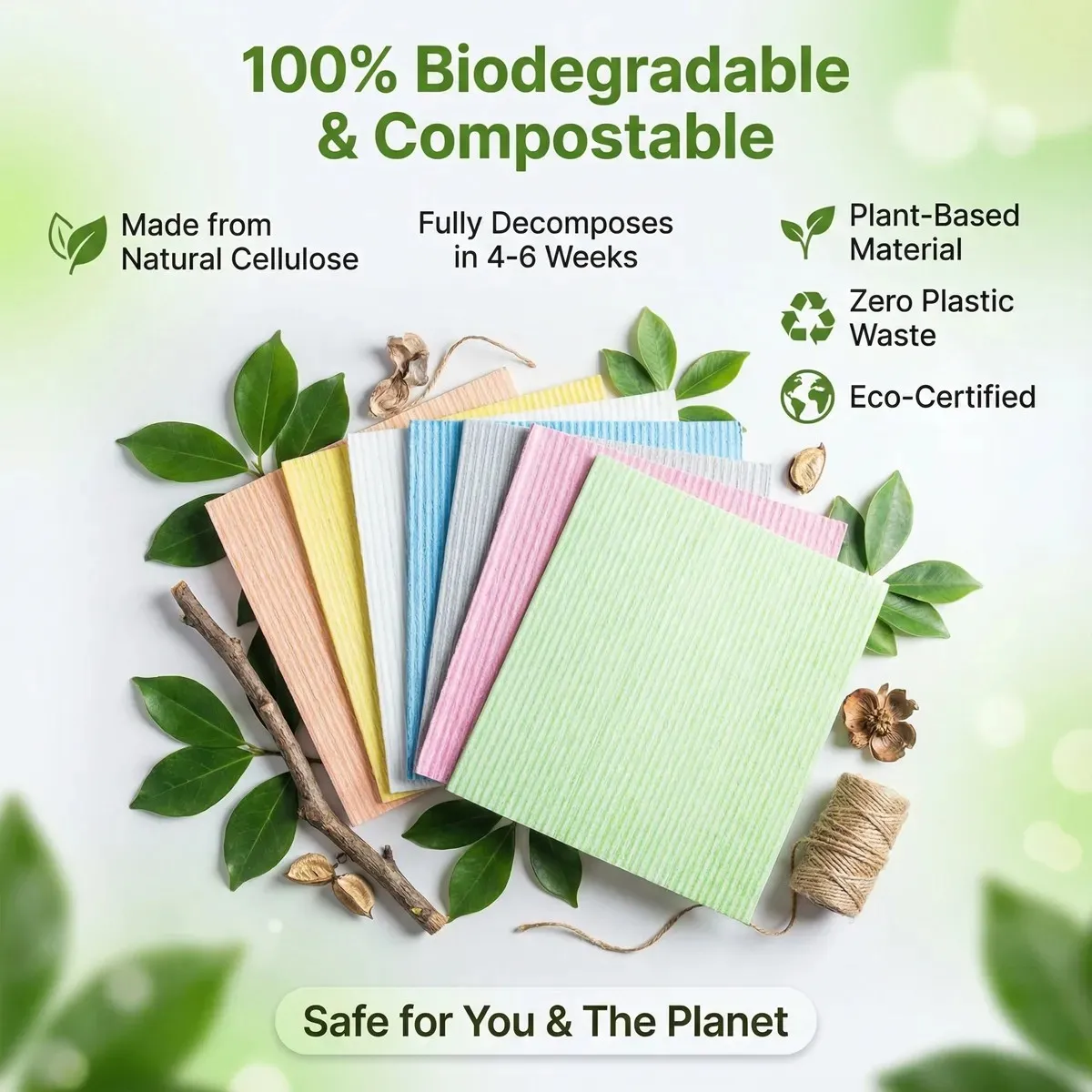
Paper towels appear to be inexpensive when purchasing in cases by the case. However, there is real cost in hundreds of table wipes, in spills of drinks, in cleaning of sinks, in the re-setting of buffets, and in the cleaning of guest rooms by housekeeping. In using paper towels, there is the habit of pulling several sheets of paper for one task, and then repeating that same process all day long. A single reusable cellulose sponge cloth can absorb more liquid per wipe than a sheet of paper towels, is washed and put back to work again and again, and can be used on many surfaces in a hospitality environment.
Paper towels will still be needed for selected hygiene tasks. The practical goal is to move routine wiping to washable cloths while keeping disposables where single use is required. FoamTech cleaning solutions include cellulose cloth formats for hospitality, commercial cleaning, and bulk purchasing.
Where Does the Paper Towel Budget Leak?
Most waste comes from small, repeated actions that purchasing teams rarely see on an invoice. A roll beside every sink or service station feels convenient, yet open access makes consumption hard to control.
Cost per Wipe Matters More Than Cost per Roll
A low roll price can still create a high monthly bill when staff need three or four sheets for one spill. Thin sheets may tear, leave lint, or require a second pass.
Fast Service Encourages Overuse
During busy service, staff do not count sheets. They pull a handful and move on. Room attendants do the same when cleaning a vanity, sink, and minibar shelf. The tool makes overuse easy.
How Do Cellulose Sponge Cloths Change the Cost Model?
Reusable cloths spread one purchase across many cleaning cycles. Their value comes from completed tasks, not the number of sheets in a pack. That gives you a fairer comparison with paper towels.
One Cloth Handles Repeated Spills
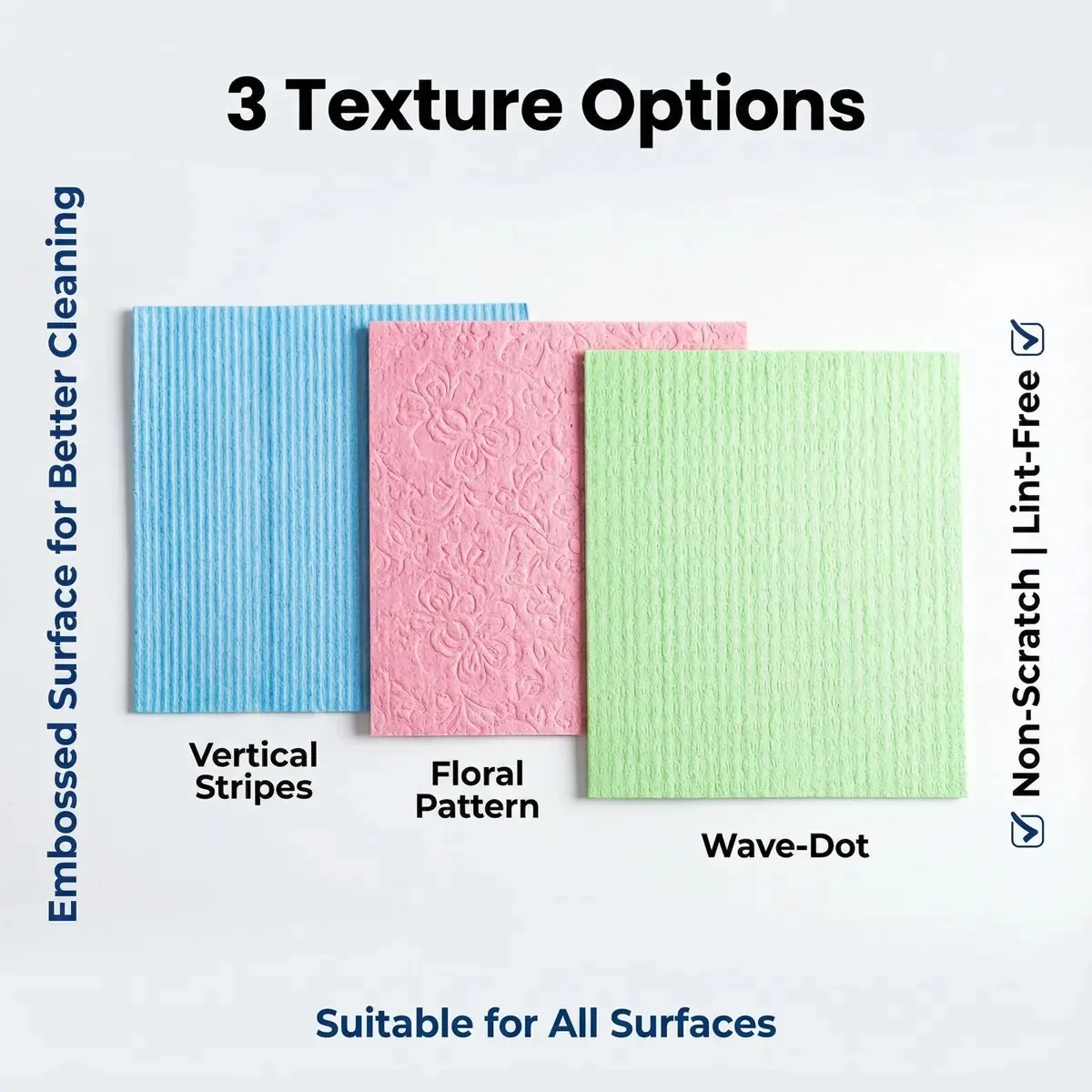
Premium Cellulose Sponge Cloths are made from plant-based wood pulp and are listed as absorbing up to 10 times their own weight in water. They are quick-drying, lint-free, non-static, and machine washable for more than 200 uses. Sheet sizes run from 15 × 15 cm to 25 × 35 cm, with roll formats for larger commercial programs.
One damp cloth can collect a spill, be rinsed, wrung out, and used again. A paper towel cannot return to the task.
Better Absorption Reduces Repeat Passes
A cloth that holds liquid rather than pushing it across a surface can shorten basic cleanup. For stainless steel, rinse away grit before wiping and avoid hard wire pads that may scratch the finish. Wiping with the grain also helps limit streaks.
Washability Moves Spending from Consumables to Cycles
The supplied product knowledge gives a simple cleaning sequence: wet the material, squeeze out excess water, wipe, rinse, and reuse. It also lists use across ceramics, glass, appliances, hardware, and other common hard surfaces.
Which Hotel and Restaurant Tasks Suit Reusable Cloths Best?
The strongest savings come from frequent, low-risk wiping. These are jobs where staff use disposable sheets for convenience rather than because single use is essential.
Front-of-House Spills and Table Turnover
Use assigned cloths for drink spills, service counters, tray stands, host stations, and non-porous tables. A smaller 15 × 15 cm cloth is easy to handle during table resets. Larger sheets suit long counters or beverage areas.
A cloth used near the floor should never return to a tabletop. Simple color coding helps prevent that mistake.
Back-of-House Counters and Sinks
We have found that the cellulose cloths are ideal for use on stainless steel food preparation surfaces as well as ceramic tile, glass, partitions, dish landing areas and the exterior of equipment. These cloths are designed for use on plastic, glass, stone, ceramic, wood and stainless steel surfaces. The dry thickness of these cloths is 0.8mm, and they open up to 4-5mm when wet.
Greasy cookware and burnt residue may still need a separate scrubber. Asking one cloth to do every job shortens its useful life.
Hotel Housekeeping and Shared Areas
Housekeeping teams can assign separate cloth sets to vanities, mirrors, desks, minibar surfaces, and public-area counters. The lint-free finish suits polished fixtures and glass.
How Can You Calculate Real Savings Before a Full Rollout?
A small trial gives you better answers than a supplier claim. Run it in one outlet, one housekeeping floor, or one service zone for two to four weeks.
Record Current Paper Towel Use
Track three figures:
1. Rolls or cases used each week
2. Purchase cost per roll or case
3. Main tasks consuming the product
Suppose a restaurant uses 20 rolls a week at $2 per roll. Annual spending is about $2,080. If reusable cloths replace 35% of that use, gross paper savings reach about $728 before cloth and laundry costs. This is a planning example, not a promised result.
Run a Controlled Cloth Trial
Issue a fixed number of cloths to one team and mark them by area. Record losses, damage, wash frequency, staff comments, and paper towel use. A cloth lost after two shifts cannot reach its projected service life, so storage matters too.
Compare Cost per Completed Task
Use this formula:
Net annual saving = avoided paper towel cost − cloth purchase cost − washing cost − replacement loss
Also watch labor time. A few seconds saved per spill can matter across hundreds of wipes.
What Makes a Reusable Cloth Program Hygienic and Practical?
Savings disappear when damp cloths sit in a pile, travel between zones, or remain in service after visible wear. Your operating rules should be short, posted, and easy for new staff to follow.
Use Color-Coded Cleaning Zones
Assign colors by task, such as dining surfaces, kitchen surfaces, bathrooms, and general housekeeping. The product is offered in eight colors and three textures, giving buyers room to build a clear visual system.
Set Wash, Dry, and Replacement Rules
Collect used cloths in a labeled container. Wash them under your site’s chemical, temperature, and food-safety rules. Dry fully before storage. Replace any cloth that smells, tears, or loses absorbency. Small detail, yes, but it matters.
Test Delicate Surfaces First
The cloth is described as non-scratch and suitable for many materials, but finishes vary. Test a hidden area on coated wood, polished stone, screens, decorative metal, or specialty fixtures. Never rub trapped grit across stainless steel or glass.
What Should B2B Buyers Check Before Ordering?
A hotel group or restaurant distributor also needs repeatable size, suitable packaging, clear documents, and reliable reorders.
Match the Format to the Workstation
Sheets suit controlled issue and color coding. Rolls suit central cutting, janitorial carts, medical settings, or large commercial operations. FoamTech offers sheet, roll, texture, color, logo, and packaging choices, with OEM and ODM support.
Ask for Samples and a Wash Test
Before a large order, test absorption, drying time, edge strength, print stability, and repeated washing. The private-label service covers packaging selection, product design, and pre-production sample confirmation. The supplied wood-pulp material also notes custom sizing, packing, logos, OEM/ODM, and sample support.
Check Supply Continuity, Not Just Unit Price
Ask about lead time, carton quantity, batch traceability, replacement tolerances, and reorder consistency. FoamTech has operated in foam and cleaning-product development since 2014 and supports custom manufacturing. Review the company background or request a sample and bulk quotation.
Is the Switch Worth It?
Reusable cellulose sponge cloths can cut paper towel spending when you place them in the right jobs, control washing, and measure use. Keep paper towels for tasks that truly need single use. Move routine spills, counter wiping, sink drying, and housekeeping touchups to reusable cloths.
FAQ
Q1: Can reusable cellulose sponge cloths replace every paper towel in a restaurant?
A: No. They are best for routine wiping, spills, counters, and drying. Keep disposable towels for tasks covered by your hygiene rules or local regulations.
Q2: How many times can one cellulose sponge cloth be reused?
A: The Premium Cellulose Sponge Cloths page states more than 200 machine-washable uses. Actual service life depends on washing, chemicals, surface roughness, and loss control.
Q3: Are cellulose sponge cloths safe for stainless steel?
A: They are listed as compatible with stainless steel. Remove grit first, wipe gently with the grain, and test specialty finishes before wider use.
Q4: Which size works best for hotels and restaurants?
A: Smaller sheets suit table service and guest-room carts. Larger sheets fit counters and sinks. Roll formats work well when a central team cuts material for different stations.
Q5: What information should a buyer request before ordering?
A: Ask FoamTech for material specifications, size tolerance, wash guidance, certifications, samples, packaging options, MOQ, lead time, and batch traceability before approving a bulk order.
Paper towels appear to be inexpensive when purchasing in cases by the case. However, there is real cost in hundreds of table wipes, in spills of drinks, in cleaning of sinks, in the re-setting of buffets, and in the cleaning of guest rooms by housekeeping. In using paper towels, there is the habit of pulling several sheets of paper for one task, and then repeating that same process all day long. A single reusable cellulose sponge cloth can absorb more liquid per wipe than a sheet of paper towels, is washed and put back to work again and again, and can be used on many surfaces in a hospitality environment.
Paper towels will still be needed for selected hygiene tasks. The practical goal is to move routine wiping to washable cloths while keeping disposables where single use is required. FoamTech cleaning solutions include cellulose cloth formats for hospitality, commercial cleaning, and bulk purchasing.
Where Does the Paper Towel Budget Leak?
Most waste comes from small, repeated actions that purchasing teams rarely see on an invoice. A roll beside every sink or service station feels convenient, yet open access makes consumption hard to control.
Cost per Wipe Matters More Than Cost per Roll
A low roll price can still create a high monthly bill when staff need three or four sheets for one spill. Thin sheets may tear, leave lint, or require a second pass.
Fast Service Encourages Overuse
During busy service, staff do not count sheets. They pull a handful and move on. Room attendants do the same when cleaning a vanity, sink, and minibar shelf. The tool makes overuse easy.
How Do Cellulose Sponge Cloths Change the Cost Model?
Reusable cloths spread one purchase across many cleaning cycles. Their value comes from completed tasks, not the number of sheets in a pack. That gives you a fairer comparison with paper towels.
One Cloth Handles Repeated Spills
Premium Cellulose Sponge Cloths are made from plant-based wood pulp and are listed as absorbing up to 10 times their own weight in water. They are quick-drying, lint-free, non-static, and machine washable for more than 200 uses. Sheet sizes run from 15 × 15 cm to 25 × 35 cm, with roll formats for larger commercial programs.
One damp cloth can collect a spill, be rinsed, wrung out, and used again. A paper towel cannot return to the task.
Better Absorption Reduces Repeat Passes
A cloth that holds liquid rather than pushing it across a surface can shorten basic cleanup. For stainless steel, rinse away grit before wiping and avoid hard wire pads that may scratch the finish. Wiping with the grain also helps limit streaks.
Washability Moves Spending from Consumables to Cycles
The supplied product knowledge gives a simple cleaning sequence: wet the material, squeeze out excess water, wipe, rinse, and reuse. It also lists use across ceramics, glass, appliances, hardware, and other common hard surfaces.
Which Hotel and Restaurant Tasks Suit Reusable Cloths Best?
The strongest savings come from frequent, low-risk wiping. These are jobs where staff use disposable sheets for convenience rather than because single use is essential.
Front-of-House Spills and Table Turnover
Use assigned cloths for drink spills, service counters, tray stands, host stations, and non-porous tables. A smaller 15 × 15 cm cloth is easy to handle during table resets. Larger sheets suit long counters or beverage areas.
A cloth used near the floor should never return to a tabletop. Simple color coding helps prevent that mistake.
Back-of-House Counters and Sinks
We have found that the cellulose cloths are ideal for use on stainless steel food preparation surfaces as well as ceramic tile, glass, partitions, dish landing areas and the exterior of equipment. These cloths are designed for use on plastic, glass, stone, ceramic, wood and stainless steel surfaces. The dry thickness of these cloths is 0.8mm, and they open up to 4-5mm when wet.
Greasy cookware and burnt residue may still need a separate scrubber. Asking one cloth to do every job shortens its useful life.
Hotel Housekeeping and Shared Areas
Housekeeping teams can assign separate cloth sets to vanities, mirrors, desks, minibar surfaces, and public-area counters. The lint-free finish suits polished fixtures and glass.
How Can You Calculate Real Savings Before a Full Rollout?
A small trial gives you better answers than a supplier claim. Run it in one outlet, one housekeeping floor, or one service zone for two to four weeks.
Record Current Paper Towel Use
Track three figures:
1. Rolls or cases used each week
2. Purchase cost per roll or case
3. Main tasks consuming the product
Suppose a restaurant uses 20 rolls a week at $2 per roll. Annual spending is about $2,080. If reusable cloths replace 35% of that use, gross paper savings reach about $728 before cloth and laundry costs. This is a planning example, not a promised result.
Run a Controlled Cloth Trial
Issue a fixed number of cloths to one team and mark them by area. Record losses, damage, wash frequency, staff comments, and paper towel use. A cloth lost after two shifts cannot reach its projected service life, so storage matters too.
Compare Cost per Completed Task
Use this formula:
Net annual saving = avoided paper towel cost − cloth purchase cost − washing cost − replacement loss
Also watch labor time. A few seconds saved per spill can matter across hundreds of wipes.
What Makes a Reusable Cloth Program Hygienic and Practical?
Savings disappear when damp cloths sit in a pile, travel between zones, or remain in service after visible wear. Your operating rules should be short, posted, and easy for new staff to follow.
Use Color-Coded Cleaning Zones
Assign colors by task, such as dining surfaces, kitchen surfaces, bathrooms, and general housekeeping. The product is offered in eight colors and three textures, giving buyers room to build a clear visual system.
Set Wash, Dry, and Replacement Rules
Collect used cloths in a labeled container. Wash them under your site’s chemical, temperature, and food-safety rules. Dry fully before storage. Replace any cloth that smells, tears, or loses absorbency. Small detail, yes, but it matters.
Test Delicate Surfaces First
The cloth is described as non-scratch and suitable for many materials, but finishes vary. Test a hidden area on coated wood, polished stone, screens, decorative metal, or specialty fixtures. Never rub trapped grit across stainless steel or glass.
What Should B2B Buyers Check Before Ordering?
A hotel group or restaurant distributor also needs repeatable size, suitable packaging, clear documents, and reliable reorders.
Match the Format to the Workstation
Sheets suit controlled issue and color coding. Rolls suit central cutting, janitorial carts, medical settings, or large commercial operations. FoamTech offers sheet, roll, texture, color, logo, and packaging choices, with OEM and ODM support.
Ask for Samples and a Wash Test
Before a large order, test absorption, drying time, edge strength, print stability, and repeated washing. The private-label service covers packaging selection, product design, and pre-production sample confirmation. The supplied wood-pulp material also notes custom sizing, packing, logos, OEM/ODM, and sample support.
Check Supply Continuity, Not Just Unit Price
Ask about lead time, carton quantity, batch traceability, replacement tolerances, and reorder consistency. FoamTech has operated in foam and cleaning-product development since 2014 and supports custom manufacturing. Review the company background or request a sample and bulk quotation.
Is the Switch Worth It?
Reusable cellulose sponge cloths can cut paper towel spending when you place them in the right jobs, control washing, and measure use. Keep paper towels for tasks that truly need single use. Move routine spills, counter wiping, sink drying, and housekeeping touchups to reusable cloths.
FAQ
Q1: Can reusable cellulose sponge cloths replace every paper towel in a restaurant?
A: No. They are best for routine wiping, spills, counters, and drying. Keep disposable towels for tasks covered by your hygiene rules or local regulations.
Q2: How many times can one cellulose sponge cloth be reused?
A: The Premium Cellulose Sponge Cloths page states more than 200 machine-washable uses. Actual service life depends on washing, chemicals, surface roughness, and loss control.
Q3: Are cellulose sponge cloths safe for stainless steel?
A: They are listed as compatible with stainless steel. Remove grit first, wipe gently with the grain, and test specialty finishes before wider use.
Q4: Which size works best for hotels and restaurants?
A: Smaller sheets suit table service and guest-room carts. Larger sheets fit counters and sinks. Roll formats work well when a central team cuts material for different stations.
Q5: What information should a buyer request before ordering?
A: Ask FoamTech for material specifications, size tolerance, wash guidance, certifications, samples, packaging options, MOQ, lead time, and batch traceability before approving a bulk order.
Prev: No data
Related Recommendations

Family owned company, globalleader in development andmanufacturing of home careproducts for private label andcontract manufacturing
Copyright © 2026 FoamTech (Zhejiang) New Materials Co., Ltd.